In this article7 sections
Beyond faster work
I increasingly suspect that AI's greatest effect will extend far beyond faster writing, data analysis, presentations, automation and lower costs. Those are the first, already visible benefits. I am more interested in what happens to the way we learn, connect ideas, make decisions and understand the world.
Used superficially, AI is a quicker route to an answer. Used more seriously, it can become a thinking partner: a way to investigate an idea, learn something unfamiliar, challenge a decision and connect subjects that previously seemed unrelated.
That relationship is already a substantial part of my life. I use AI for strategy, writing, products, evaluating ideas, preparing talks and thinking about our company, our market and technology. I also use it to explore subjects outside work: training, habits, health-related questions and decisions I want to understand more clearly.
The point is not to let AI know things on my behalf. It is to connect what I already know, expose gaps in my understanding, test the logic and turn information into something useful.
Information is only the beginning

Access to information is no longer the main obstacle. The questions are what to look for, how to interpret it, how to check it, where it belongs and what to do next.
Information has to become knowledge. Over time, knowledge should become wisdom. Ultimately, I want that wisdom to support happiness and an inner sense of joy. That is the destination, rather than an ever-growing collection of facts.
AI can help, provided we still do our own part. If we want a shortcut around thinking, it will give us more polished superficiality. If we use it to think better, it can accelerate our development.
The more understanding you bring to a subject, the more use you can make of AI. Without a foundation, a plausible answer is difficult to judge. With some knowledge, you can ask more useful questions. With deep expertise, you can recognise likely mistakes, identify what needs checking and turn an answer into practical value.
Something particularly interesting happens when expertise in one field meets breadth across several others. A new idea has more places to connect. You can consider its commercial, technical, human, financial, psychological and organisational implications without pretending to be an expert in every discipline.
AI does not build understanding in your place. It helps you build a more connected body of knowledge.
Life already works as a connected system
Sleep affects energy. Energy affects decisions. Decisions affect work; work affects relationships; relationships affect peace of mind. Health influences focus, focus influences the quality of work, results change the pressure we experience, and the cycle continues.
We often try to solve one isolated problem when the difficulty lies in the way the parts interact.
For people who use it thoughtfully, AI may encourage a broader approach to life. Not through some automatic enlightenment, but by making relationships between previously separate subjects easier to see.
At work, this means looking beyond a single report, department, KPI or problem. How does sales affect finance? How do financial decisions shape investment? How do processes affect people, and people affect customer experience? How does that experience influence the brand and future sales?
Outside work, productivity is only one part of the picture. Energy, health, habits, relationships, focus, knowledge, peace and purpose also matter. When one part repeatedly fails, it eventually pulls on the others.
This does not mean AI will make everyone wiser. Some people will use it to avoid thinking: receive an answer, copy it, send it on and mistake the transaction for understanding. Others will use it to learn faster, connect disciplines and make more deliberate decisions.
The difference will come from the relationship with knowledge, not merely possession of the tool.
Companies need a foundation too
Individuals who use AI well may develop a real advantage in learning and judgment. Companies can gain better analysis, faster workflows, more accessible knowledge and less wasted effort.
There is a trap: introduce AI into a chaotic organisation and you may simply accelerate the chaos.
AI needs a foundation: usable data, clear processes, responsibilities, knowledge, criteria, controls and people who understand the work. Without those, the output can sound impressive while failing to improve anything that matters.
As the gap between effective and ineffective use becomes visible, demand for guidance will grow. People will see others learning faster, deciding more clearly and working with greater structure. Businesses will notice competitors wasting less time and making better-informed decisions.
Books, courses, webinars, methodologies, advisers and mentors will follow. Some will offer serious expertise. Others will sell convenient illusions. Large changes tend to attract both people who build and people who sell shortcuts.
Even so, the direction seems clear to me. AI will become part of how we learn, think, work and organise our lives.
Better judgment, or polished dependence?
The opportunity is considerable: more personal learning, easier access to knowledge, faster testing of ideas, useful assistants, better analysis and fewer operational losses. People may understand their habits and priorities more clearly. Companies may finally see where time, money, knowledge and responsibility are being lost.
The reverse is equally possible. We may produce more elegant answers and weaker understanding. We may automate bad processes, mistake professional presentation for substance, or trust a chart because it looks convincing rather than because we understand the underlying data.
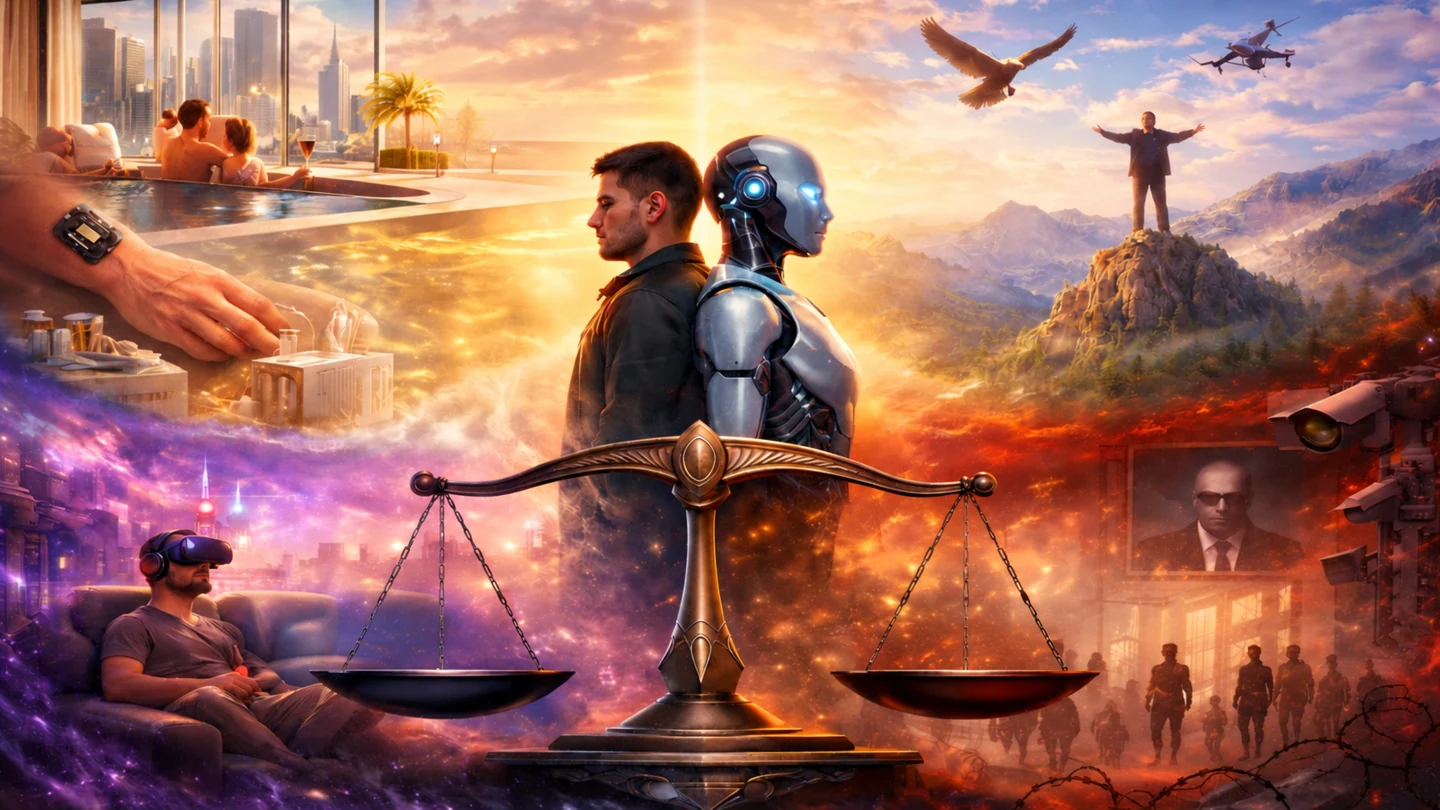
More seriously, decisions may move towards systems that few people understand and fewer still control.
This is unlikely to feel like one dramatic surrender. It may happen through a succession of practical choices. AI recommends, filters, executes, selects and makes small decisions. Each step saves time or money. Eventually, we discover how much we have delegated without ever consciously deciding on a boundary.
Productivity matters, but it is not the whole conversation. What do we give in return?
We contribute data, attention, habits, some privacy and part of our decision-making. Sometimes we also surrender a measure of independence because convenience is immediate and attractive. When an exchange happens gradually, its accumulated cost can be difficult to notice.
The advantage will not be distributed evenly
Access to the best tools, education, data, infrastructure and people will matter. The dividing line will not simply separate AI users from non-users. It will also separate those who understand and control it from those who lack the conditions to create meaningful value.
The same applies internationally. The AI race concerns data, infrastructure, standards, economic advantage, security and influence. Control of models and the systems around them can affect how societies learn, work, decide and see the world.
Neither unquestioning enthusiasm nor reflexive fear seems useful. AI is a major opportunity, possibly one of the largest we have encountered. It can help us work more intelligently, learn faster and organise our lives more effectively. But a powerful technology also involves an exchange.
What do we give? What do we receive? Who decides whether the exchange is worthwhile?
A more demanding form of AI literacy
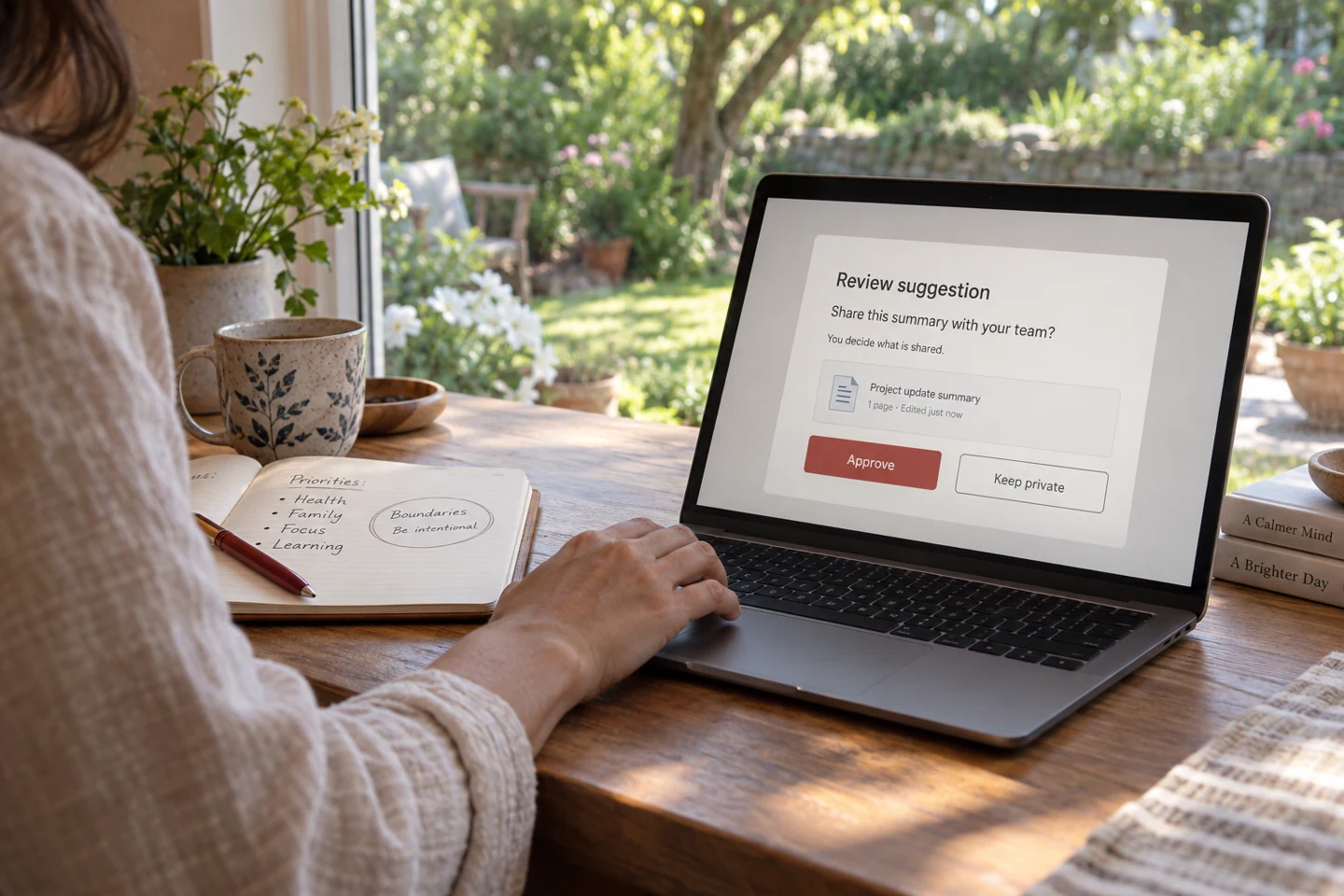
I do not think fear alone is a reason to slow development. I do think it is dangerous to move forward without understanding the consequences, or to pretend they do not exist because the immediate benefit is obvious.
We need AI literacy that goes beyond writing a good prompt. That is a starting point, not the full skill.
A more useful literacy includes knowing when to use AI, when to trust it, when to verify an answer, when to seek another view, when to involve a qualified specialist and when the consequences of a decision extend beyond a technical calculation.
With that understanding, AI can be a valuable ally. Without it, it may become a beautifully packaged route to superficiality, dependence and control.
This discussion belongs to everyone. It cannot be left only to technologists, company leaders or governments. AI is changing more than our tools. It is changing how we think, learn, work, decide and live.
If we are going in that direction, I would rather we did so consciously.
Should we keep making exchanges with technology simply because we can? Or should we do so when we understand why the benefit sufficiently outweighs the harm?
There is an interesting twist: we now have another way to examine that calculation.
We have AI.
Related services: CyberCompany AI solutions